
Parcel tracking integration connects the tracking page your customers see to the system that runs your deliveries, so every status comes from real operational data: courier assigned, picked up, sorting, in transit, delivered. It works at order level, handles several parcels in one order and stays accurate when routes are planned well. In City & Carrier, tracking is part of smartDelivery.
What is parcel tracking integration?
In today’s logistics environment, delivery is no longer just about transportation. It is about visibility, control, and customer confidence at every step.
Many companies offer tracking pages, but most are limited to basic status updates. These systems often lack structure, flexibility, and alignment with real operational workflows.
This is where parcel tracking integration becomes essential.
Instead of relying on static tracking pages, modern systems provide structured, real-time, and user-focused tracking experiences that reflect how logistics operations actually work.
First Interaction: Entry Point Matters
The first interaction with a tracking system defines the entire user experience.
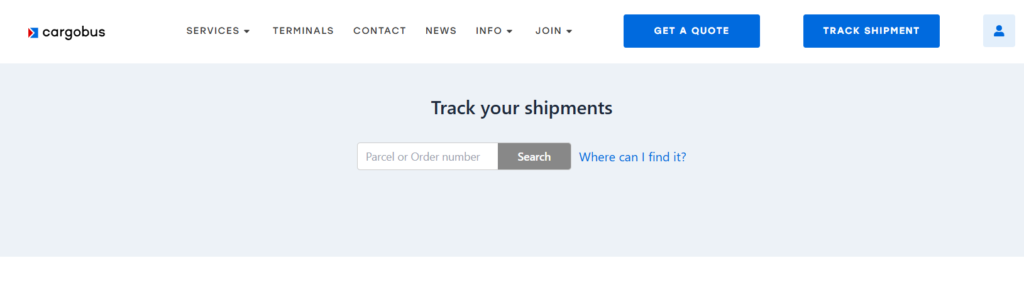
A clean, simple interface that allows users to quickly search by parcel or order number reduces friction and improves usability.
Guidance Improves Usability
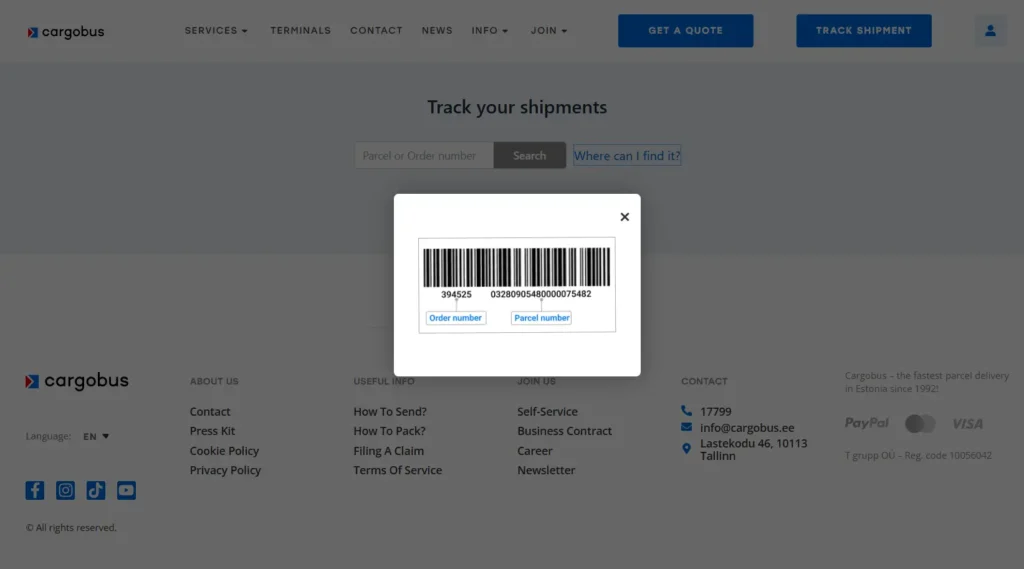
Users often don’t know where to find their tracking number. Without guidance, this creates confusion and unnecessary support requests.
A well-designed system provides contextual help directly within the interface.
Structured Tracking for Active Deliveries
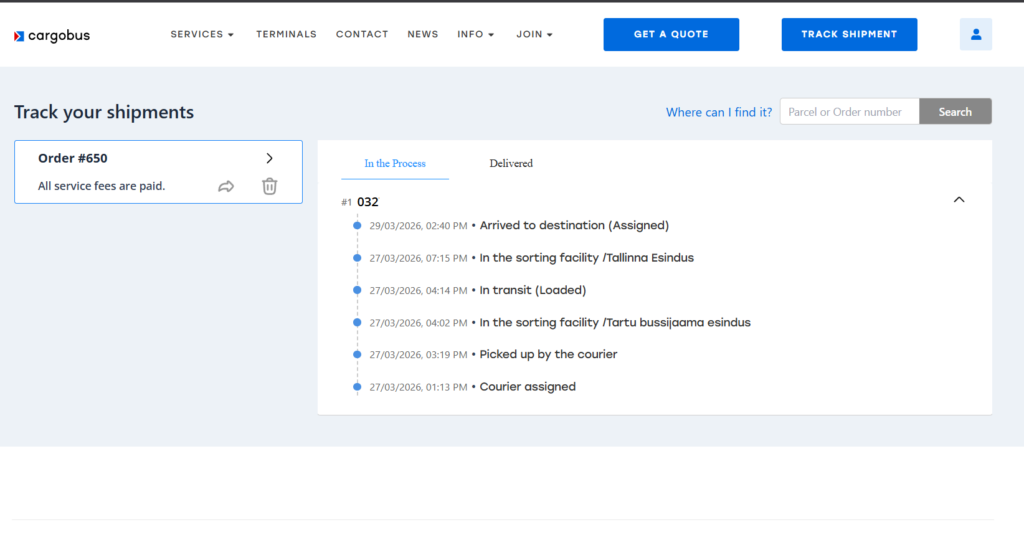
Tracking is not just about showing updates. It is about presenting information in a structured and understandable way.
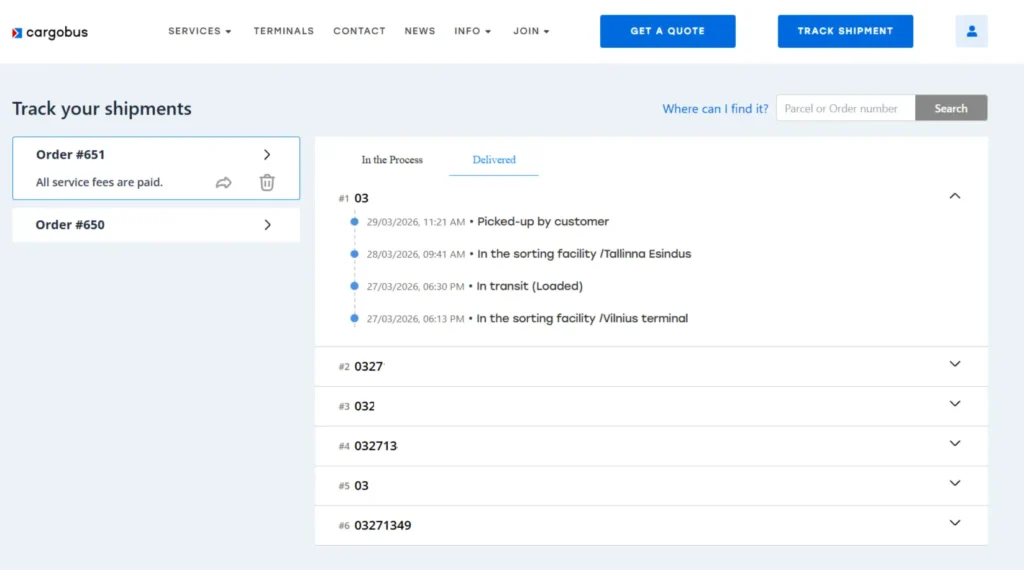
Modern systems use timeline-based tracking:
- Courier assigned
- Picked up
- Sorting facility updates
- In transit
- Arrived at destination
This creates clarity and reduces uncertainty.
Clear Separation of Delivery States
One of the key improvements in modern tracking systems is the separation between active and completed deliveries.
Users can quickly switch between:
- In Process
- Delivered
This removes the need to scan through unnecessary data.
Beyond Basic Tracking: System-Level Thinking
A strong parcel tracking integration is not just a UI component. It is a system connected to backend operations.
Key advantages include:
- Order-based tracking instead of a single parcel view
- Support for multiple shipments within one order
- Structured hierarchy between orders and parcels
- Expandable and scalable UI components
This approach reflects real logistics workflows rather than forcing simplified structures.
Route Optimization and Tracking Accuracy
Tracking accuracy is closely linked to how delivery routes are planned and executed. Without optimized routing, delivery timelines become unpredictable, directly affecting tracking reliability. Route optimization systems ensure that parcels move through the most efficient paths, allowing tracking updates to remain consistent and accurate. When integrated properly, these systems provide better ETA predictions and reduce operational inefficiencies. Discover how Route Optimization improves both delivery performance and tracking precision.
Mobile-First Experience
Modern logistics users interact with tracking systems primarily through mobile devices.
This implementation is fully responsive and optimized for mobile:
- Clean layout across screen sizes
- Touch-friendly interactions
- Fast loading and minimal friction
A mobile-optimized tracking experience significantly improves accessibility and engagement.
Implementation: From API to Experience
This parcel tracking system was implemented through a custom plugin built on top of the CityCarrier API.
API Integration as the Core Layer
At the core of every scalable tracking system lies strong API integration. Tracking interfaces depend on real-time data exchange between backend systems and frontend applications. Without a properly structured API layer, tracking data cannot be synchronized efficiently. This leads to delays, inconsistencies, and poor user experience. A well-designed integration ensures seamless communication between systems, enabling accurate and instant updates across all touchpoints. Explore how structured API Integration supports scalable logistics systems.
Instead of using a generic solution, the system was designed to:
- Align with real operational data
- Provide flexible UI components
- Support scalable growth
The frontend experience and interaction layer were developed as a fully customized solution.
This implementation was delivered by
Mono Digital, focusing on performance, structure, and user experience at a system level.
Courier Management and Tracking Systems
Effective parcel tracking integration works best when it is connected to a structured courier management system. Delivery operations depend on accurate assignment, route planning, and real-time status updates generated by courier workflows. Without a proper system in place, tracking becomes delayed or inconsistent. A well-integrated approach ensures that tracking data reflects actual operational activity, improving both reliability and customer experience. Learn more about how modern courier operations are structured in Courier Management systems.
Why Parcel Tracking Integration Matters
A well-designed tracking system directly impacts:
- Customer trust
- Support load reduction
- Operational clarity
- Perceived delivery quality
Even without changing delivery speed, improving tracking visibility creates a better overall experience.
Conclusion
As logistics systems evolve, tracking is no longer a secondary feature. It is a core part of the customer experience.
Companies that invest in structured parcel tracking integration gain a competitive advantage through better usability, clarity, and system alignment.
In modern logistics, visibility is not optional — it is expected.


